
Author: Dr. Luis Mariusso, dentist and cofounder
A missing tooth has a way of showing up in the everyday. You might favor the other side when you chew, notice the space in photos, or simply feel ready to have a “complete” smile again. Maybe the tooth has been gone for years. Maybe you’ve just learned it needs to come out, and you’re trying to plan ahead.
When patients come to me with one missing tooth, we usually talk about two options: a dental implant or a bridge. I’ll ask what matters most to you, then look closely at the teeth beside the space, your bone, and the health of the rest of your mouth. And both your budget and feelings about treatment matter in that conversation, too.
I want you to understand why I might recommend one option for you and a different one for someone else. Here’s what I consider when we make that decision together.
Is a dental implant the best option for one missing tooth?
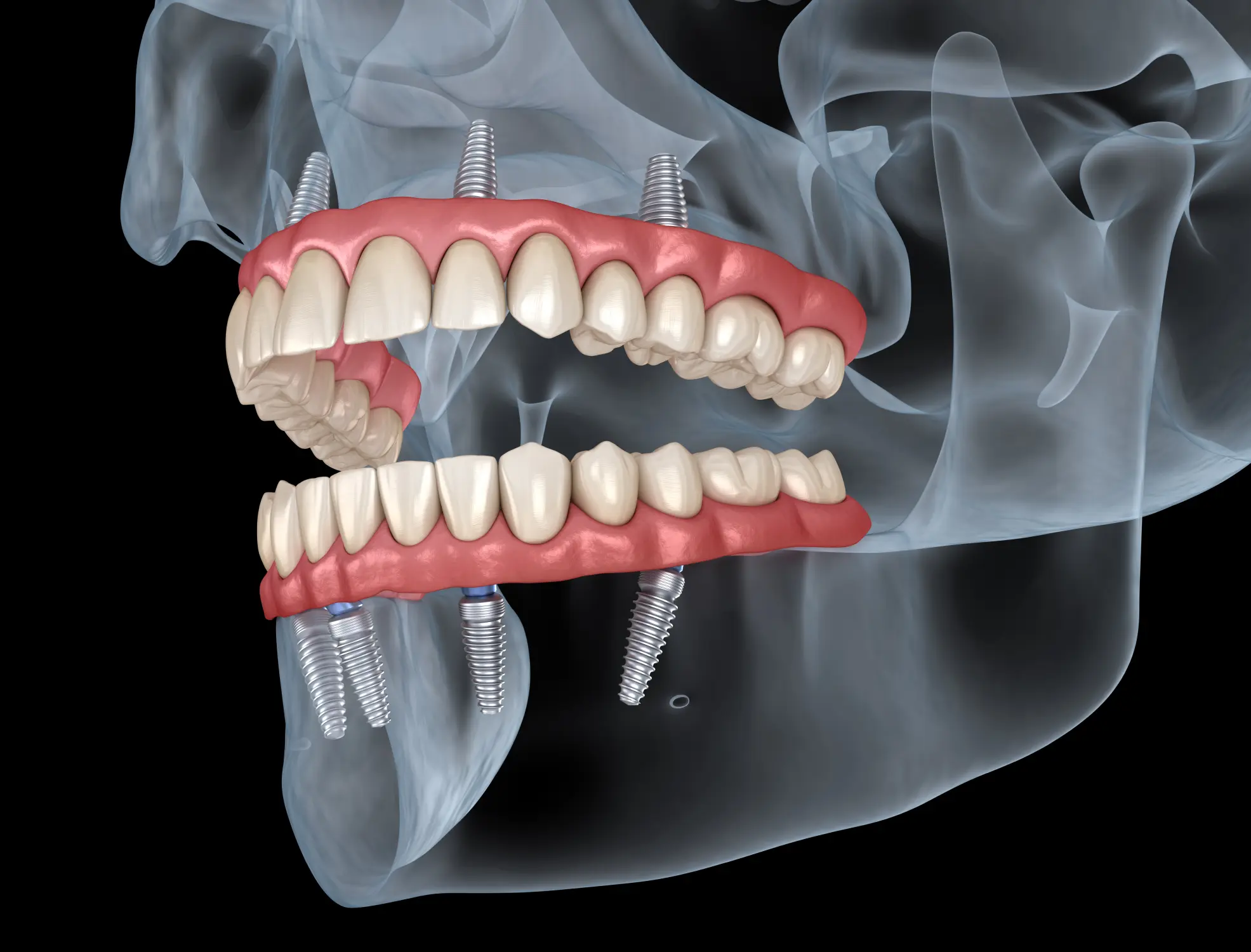
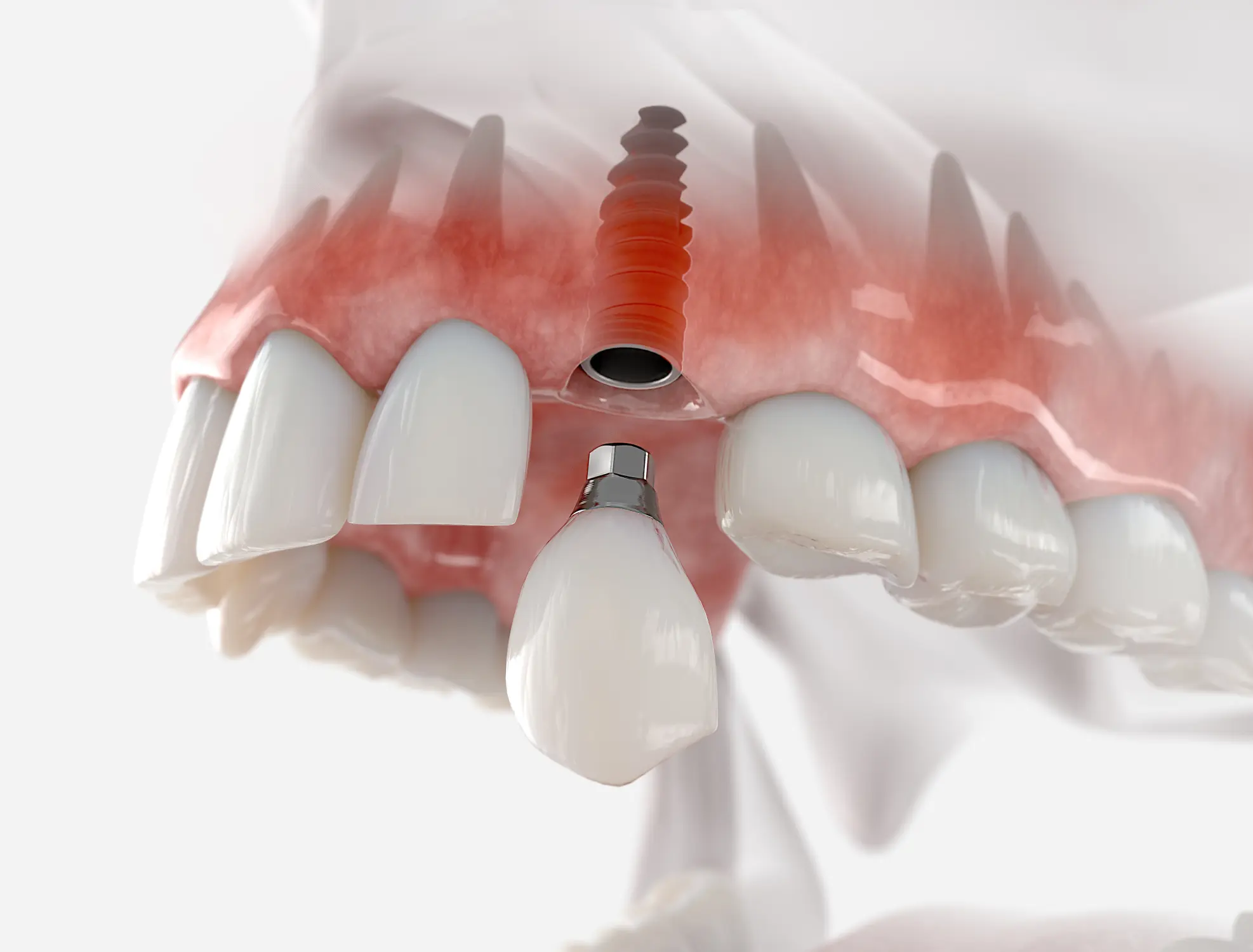
If the teeth beside the gap are healthy, I often lean toward a single-tooth implant. The implant supports its own crown, so I can replace the missing tooth without preparing the neighboring teeth for a bridge. It lets me focus treatment on the place that needs it.
For the right patient, that can be an excellent long-term approach. I want to make sure there’s adequate bone to support the implant and that your mouth and overall health are in a good place for healing. An implant also needs ongoing brushing, cleaning between the teeth, and regular checkups, just like the rest of your smile.
When does a dental bridge make sense instead?
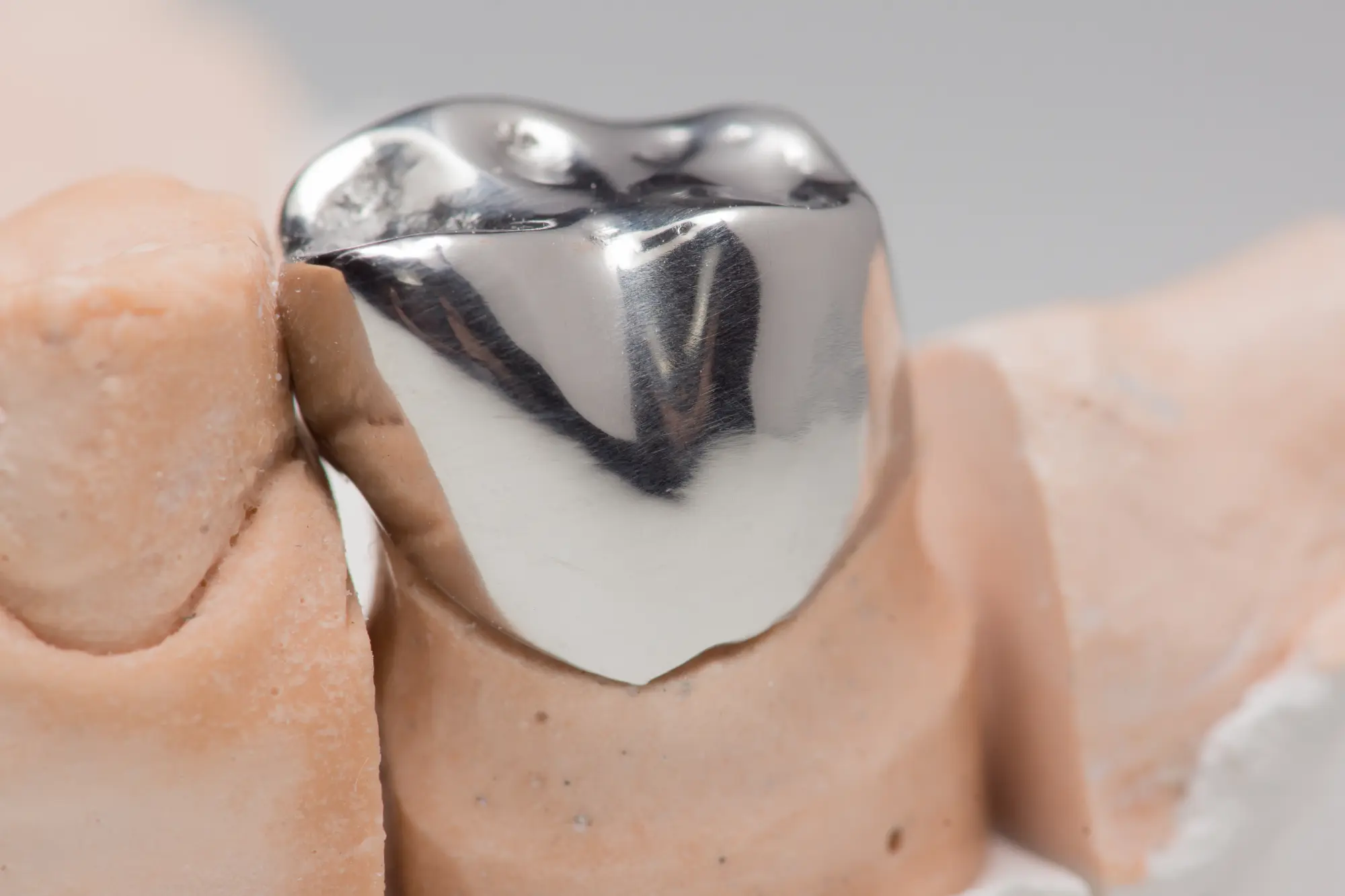
Bridges play just as important a role in dentistry. A traditional bridge fills the gap with a replacement tooth supported by crowns on the teeth next to it.
Let’s say the teeth on either side already need crowns. In that situation, a bridge may let us restore those teeth and replace the missing one as part of the same plan. Cost, treatment time, and how you feel about implant surgery can also be part of the conversation.
An implant could still be an option, with separate crowns for the neighboring teeth. I’ll explain what each approach would involve so you can weigh the benefits and investment with a clear picture of your choices.
What happens if you wait to replace one missing tooth?
You have time to make a thoughtful decision, but I do encourage you to have the space evaluated. Neighboring teeth can shift after a tooth is lost, and bone in the area may decrease over time. The amount of change varies from person to person.
I’ve met patients who felt ready for an implant years after losing a tooth, only to learn that the site now needs a bone graft first. Sometimes we can rebuild what’s needed; sometimes the changes limit our options. Getting an evaluation early helps you understand what’s happening now, even if you aren’t ready to start treatment right away.
And if an implant isn’t in your plans at the moment, we can talk about other ways to replace the tooth, including a removable partial in some situations. You don’t have to guess what leaving the space open might mean for you.
What do I check before recommending a single-tooth implant?
I look beyond the gap. If you have active decay, gum disease, or other missing teeth, we need to consider those concerns as we make a plan. I also examine the bone at the implant site and check for signs of infection.
Your health history matters, too. I’ll ask about conditions such as diabetes, how they’re managed, and any medications that could affect treatment planning or healing. Taking medication for osteoporosis, for example, does not automatically rule out an implant, but it is something I need to know and discuss with you.
I ask these questions because I want to be confident in the foundation before we place a new tooth on it.
Can one office place the implant and make the new tooth?
At Confident Smiles & Implants, we can plan and place the implant, then create and attach the final restoration here in our office. Our in-house lab helps us coordinate how the new tooth will look and function with the surgical plan. You’ll work with a team that knows your case from the beginning through the final crown.
That continuity is valuable to me, but perhaps what matters most is that you understand our plan. I want you to know what needs to happen, why, and what your other options are.
Which tooth replacement is right for you?
If you’re missing one tooth, bring me all your questions. Maybe you’re worried about surgery, trying to understand the cost, or wondering whether a bridge would be simpler. I want to hear them all.
I’ll look at the health of the neighboring teeth, assess the space, and explain where I see an implant or bridge fitting into your care. If you’re in the Farragut or Knoxville area, schedule a visit with us at Confident Smiles & Implants or call (865) 248-2312. We’ll find a path that makes sense for your health, your goals, and your budget.