

Farragut Dental Implants
Replace a Missing Tooth with a Lasting Solution
Missing a tooth? We've got you covered with comprehensive implant solutions to get your smile back to feeling (and looking) it's best!
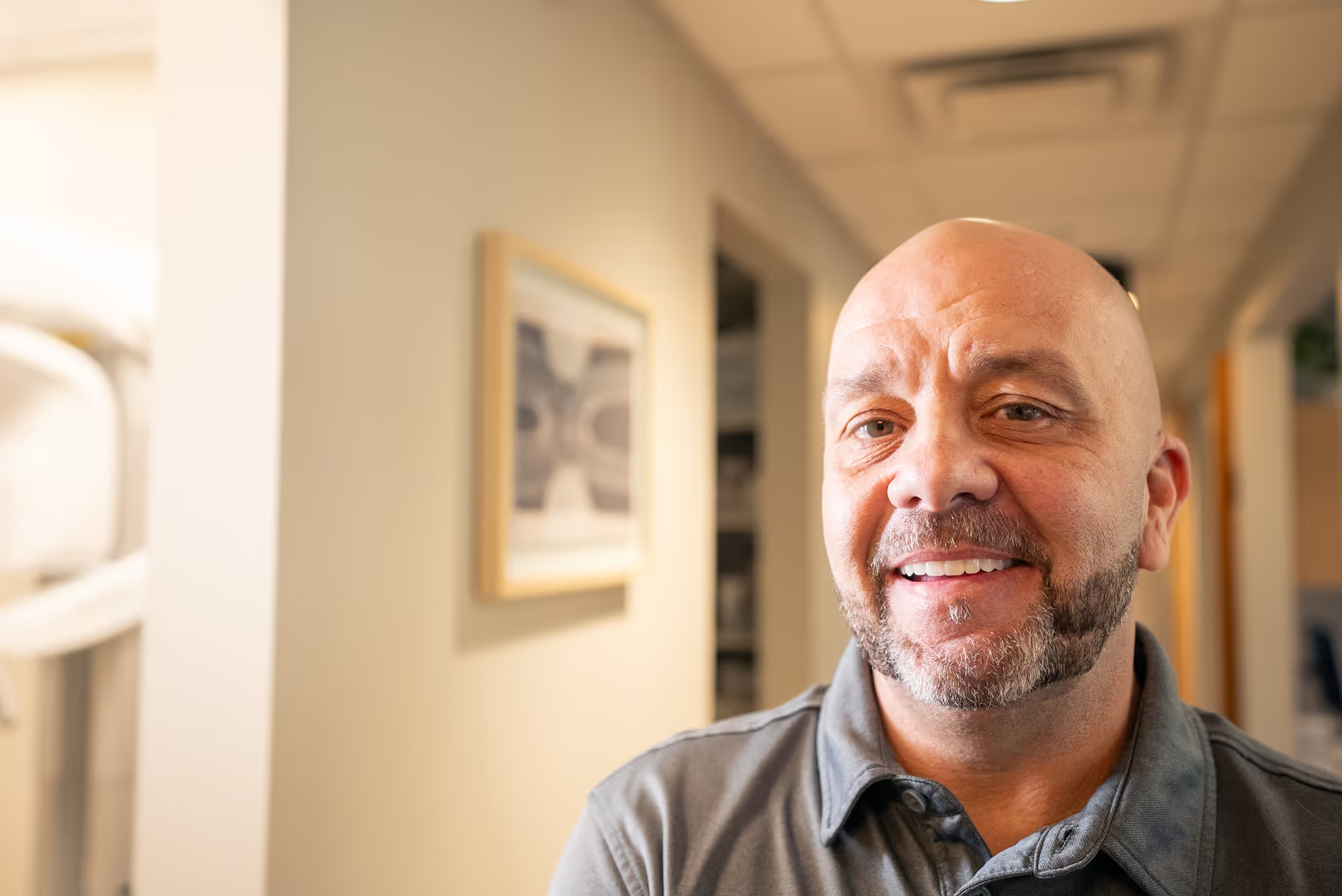
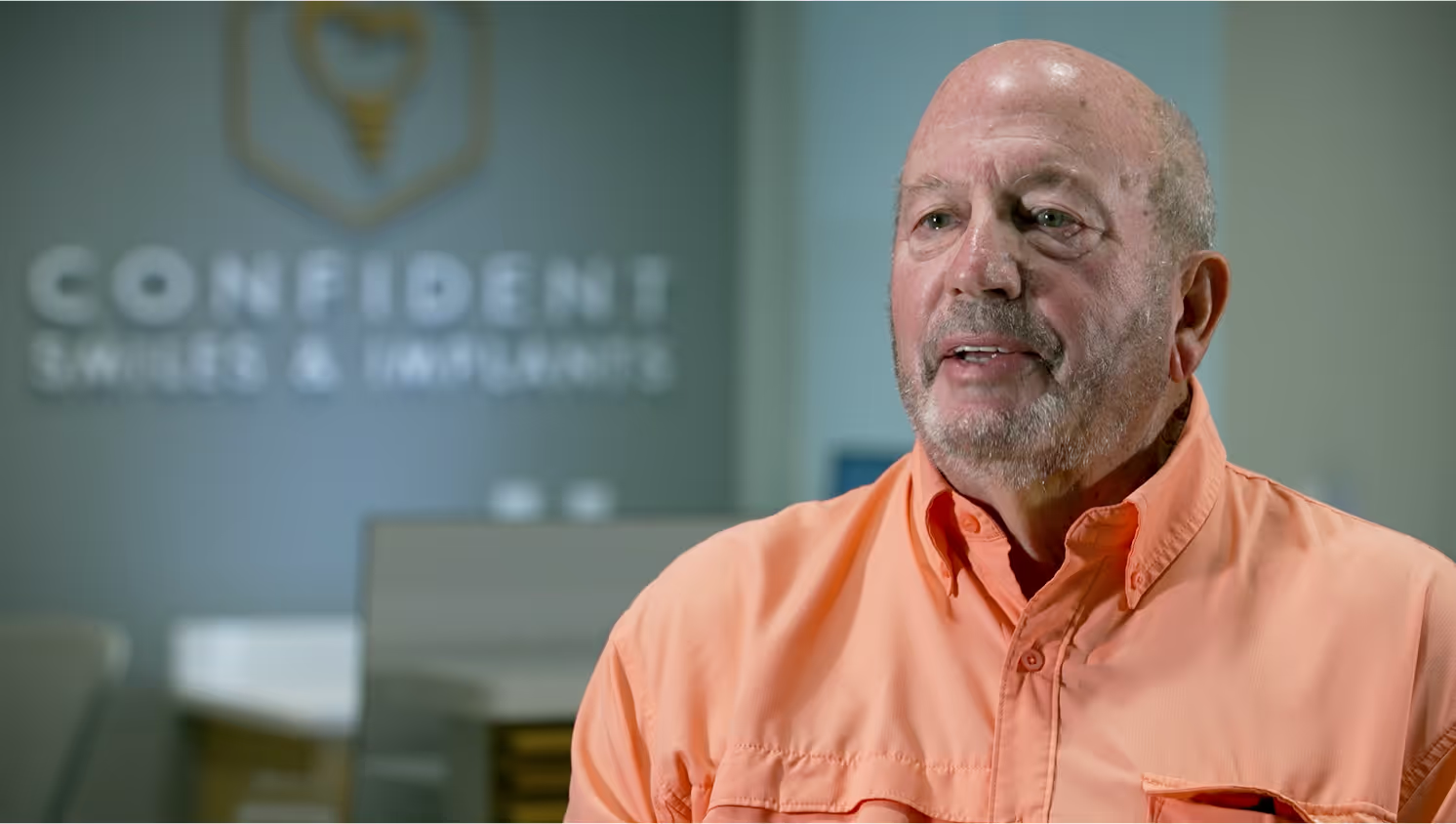
"It was nice to be able to see a full set of teeth and grin—without worrying about gaps."
Shane
What are single-tooth implants?
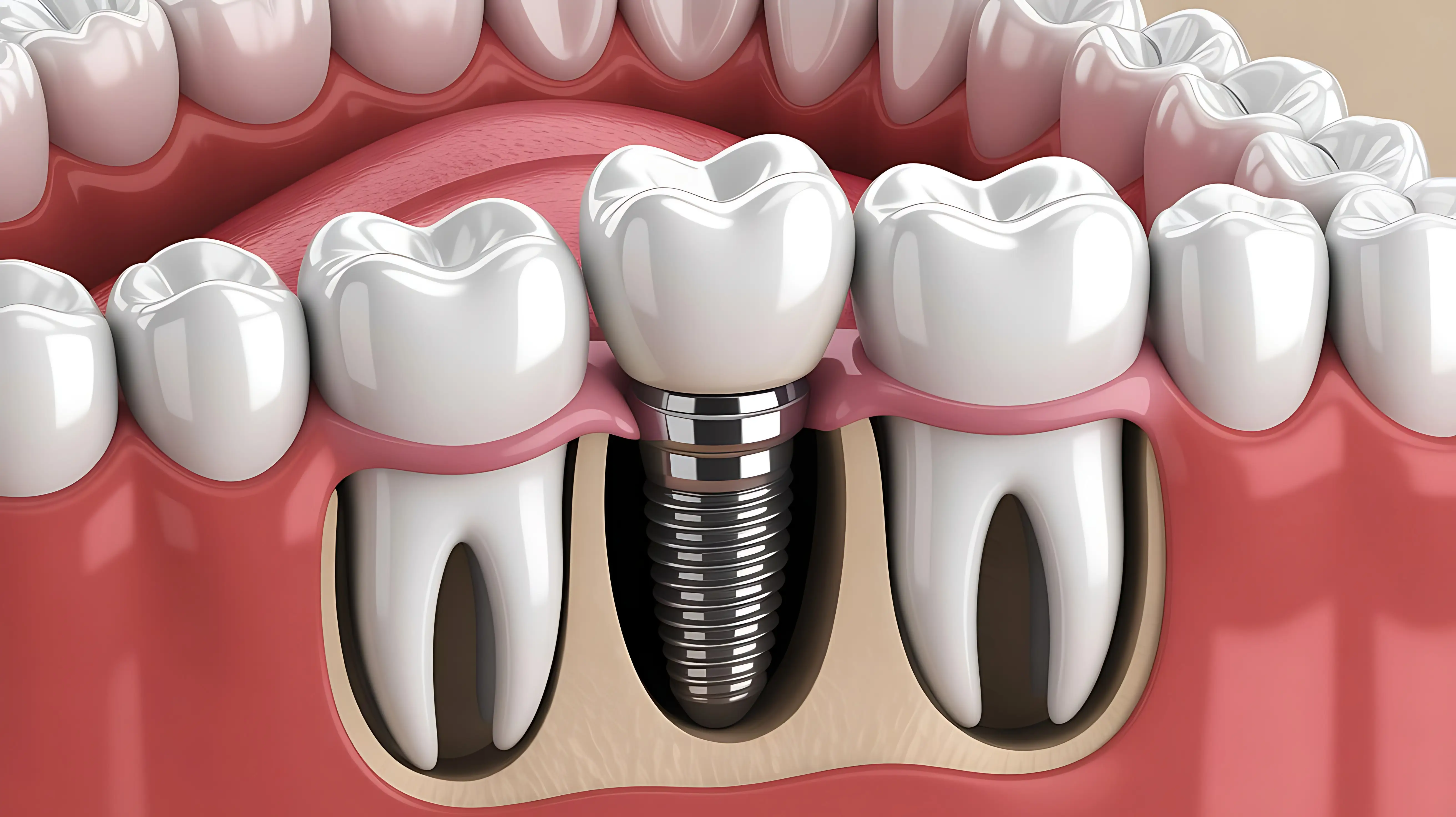
Single-tooth implants, as the name implies, are used to replace one missing tooth. They consist of three parts. The first part is the implant “post” or “rod.” This is a screw-shaped piece of titanium, which is surgically implanted in the area where you’ve lost your tooth. Once it heals and bonds with your mouth, it works similarly to a natural tooth root.
The second part is the abutment which is the connector piece that attaches the implant to your porcelain dental crown. This crown is designed to look and feel just like a real tooth, and is permanently attached to the dental implant once it has fully healed and bonded with your mouth.
Together, the implant and dental crown mimic the natural anatomy of your tooth.
The Dental Implant
Placement Process
Placement Process

Find out if you're a candidate for dental implants
Our quick smile survey helps us understand your goals and match you with the right treatment option—no pressure, just honest insight.
The benefits of
single-tooth implants
single-tooth implants


30+ year lifespan
With proper care, single-tooth implants will last for the rest of your life. They last much longer than other alternatives like dental bridges and dentures.
Natural look & feel
Single-tooth dental implants are completely indistinguishable from natural teeth. They will look natural when you smile and feel just like real teeth when you eat and speak.
Protects jaw health
Because the dental implant is implanted into your jaw bone, it prevents “bone resorption,” which happens when the jaw bone below a missing tooth is no longer stimulated by chewing and biting. This helps protect your overall oral health.
Easy to clean and maintain
You can treat your single-tooth implant just like a natural tooth. To protect your oral health and your implant, all you need to do is brush twice a day and floss once a day, and see Dr. Tori or Dr. Luis for teeth cleanings and oral exams every six months.
Explore your options for missing teeth
We offer a range of tooth replacement solutions to fit your goals, comfort, and budget. Here’s how they compare—so you can make a confident choice.
-Picsart-AiImageEnhancer.avif)
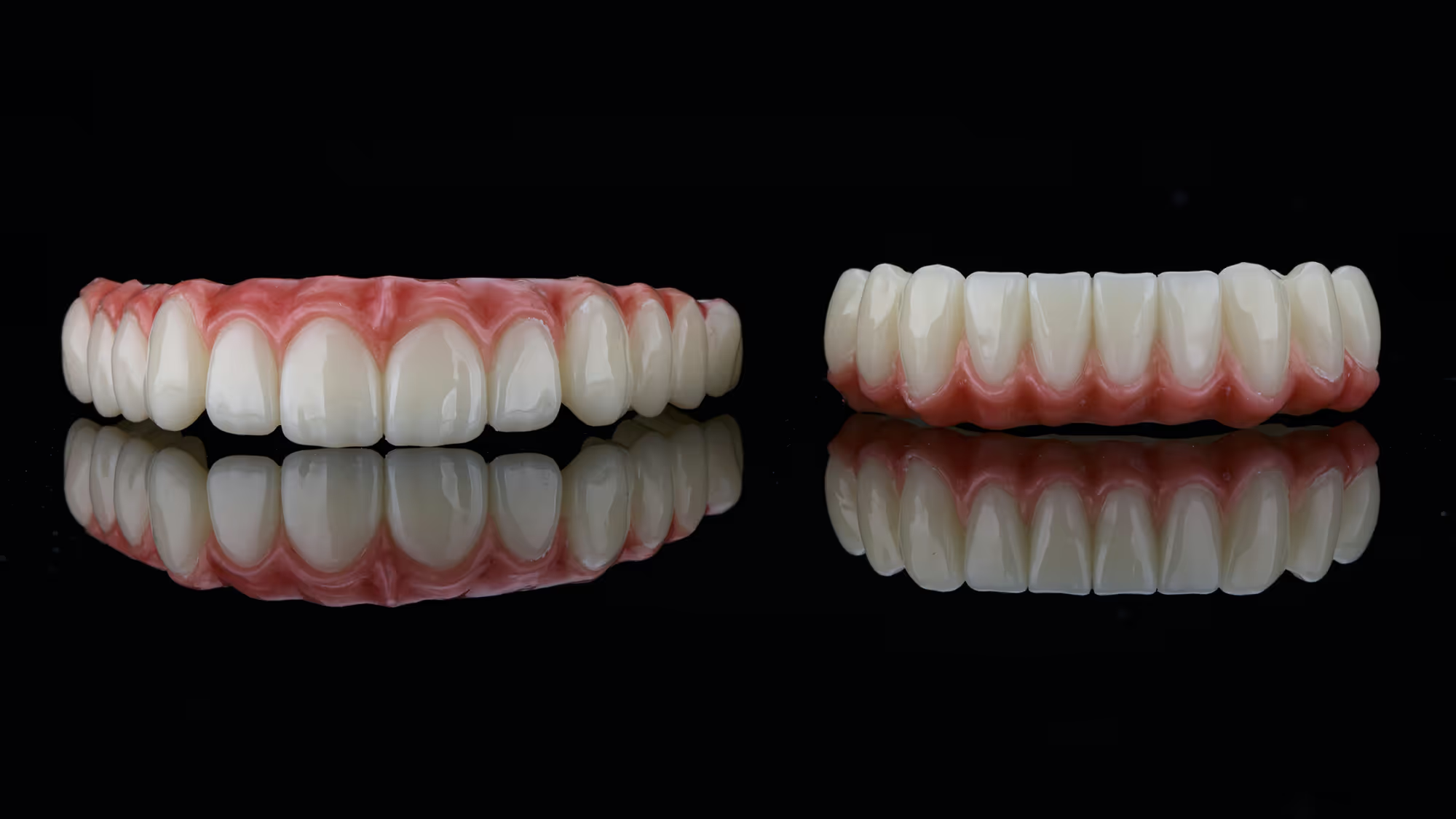

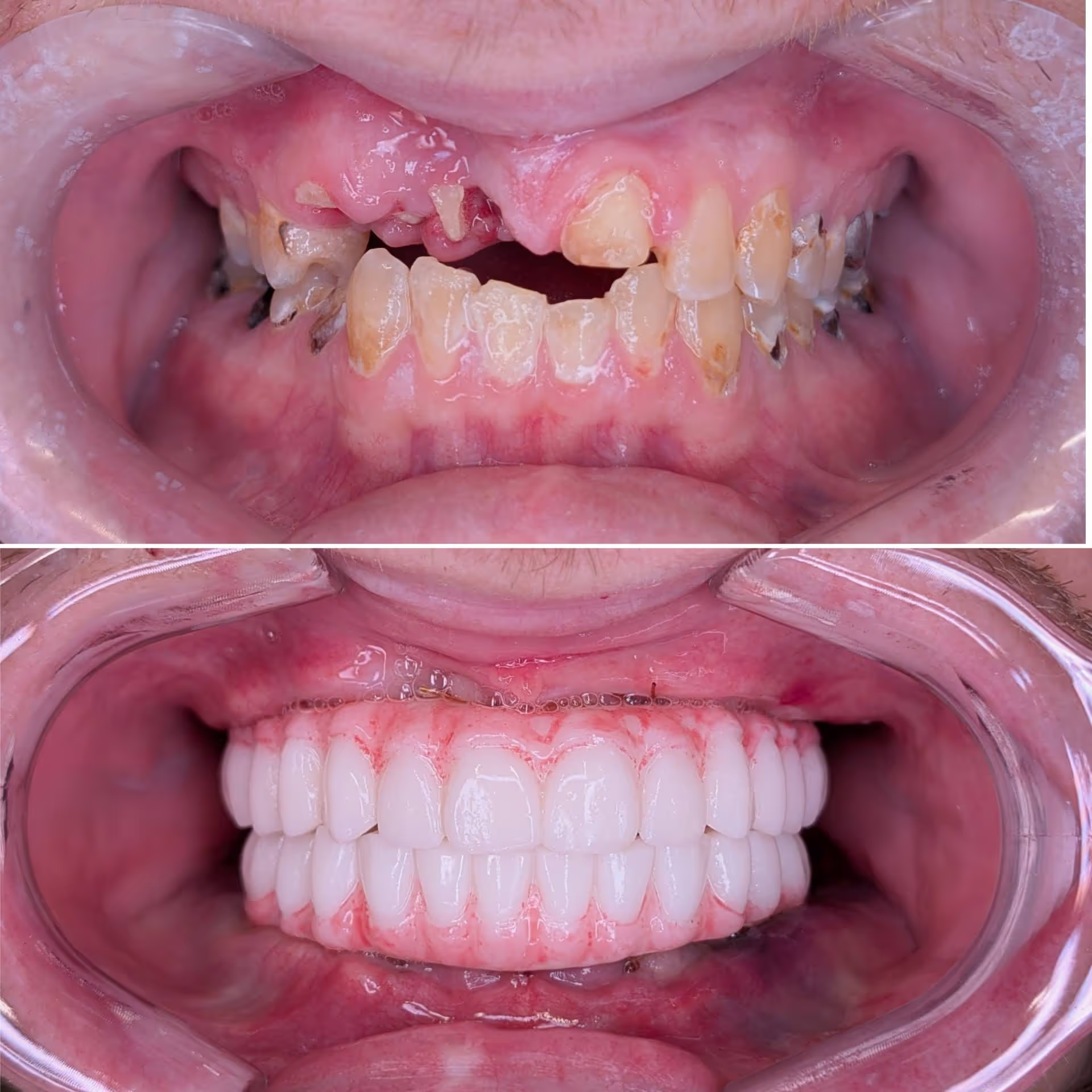
See what's possible when you choose a team that cares
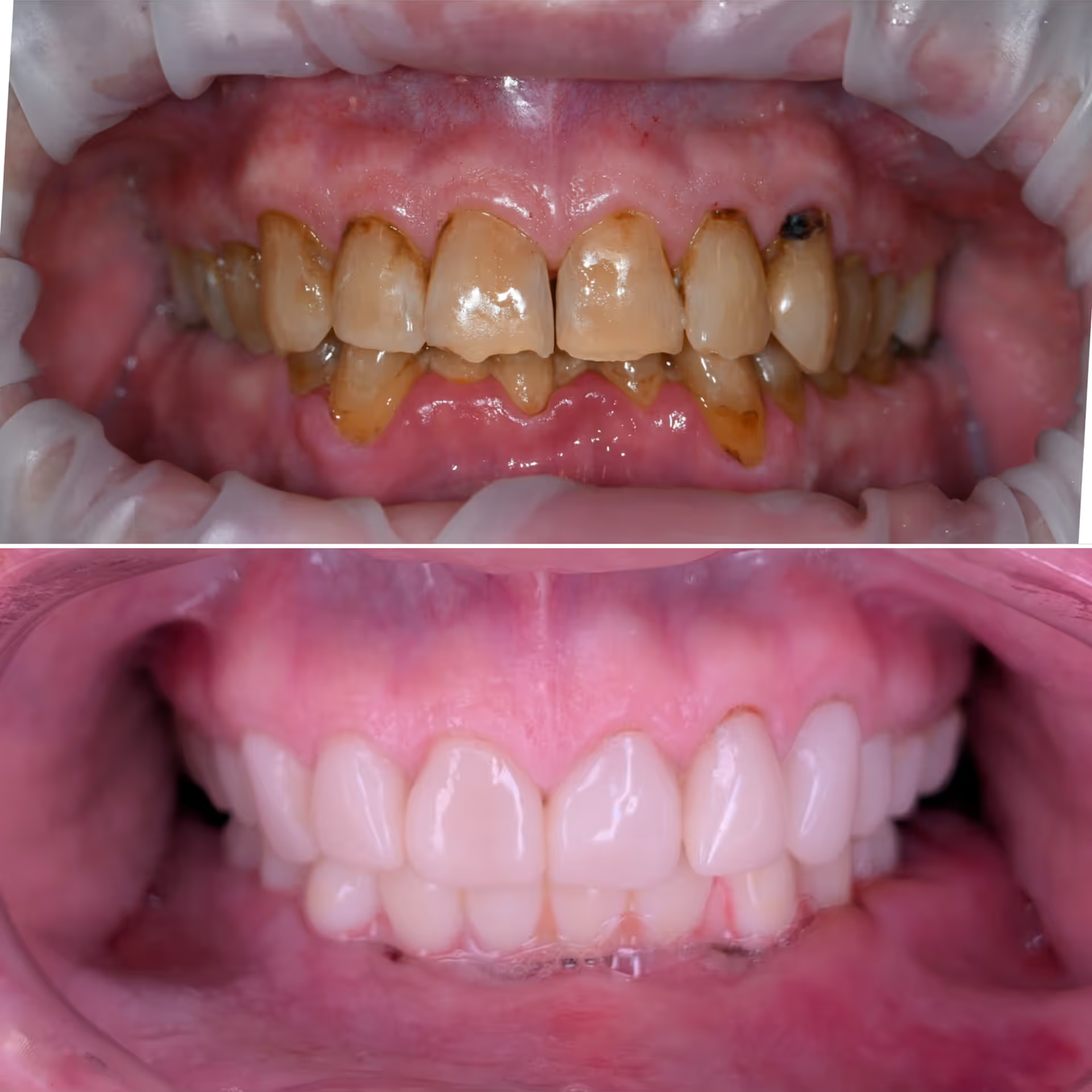
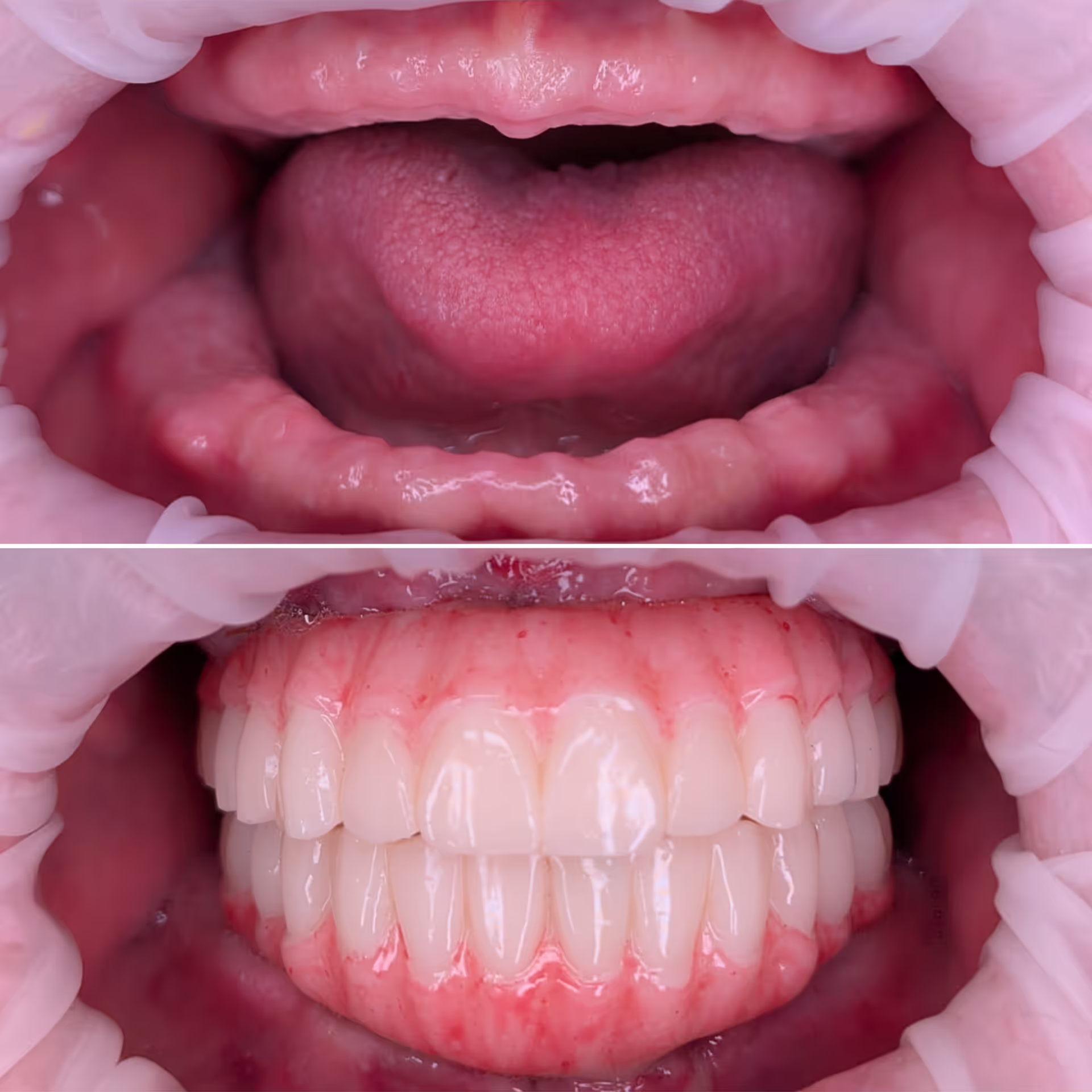
Explore our stunning dental implant transformations.
FAQs
Find answers to common questions from our patients.
Still have questions?
We're here to help you!
Will I have to go without teeth during the implant process?
No, you won’t leave our office without a smile. In many cases, we’re able to provide a temporary restoration the same day as your surgery—so you can eat, speak, and smile confidently while you heal.
Is oral surgery painful?
Pain levels vary depending on the procedure and individual tolerance. We use sedation and local anesthesia to minimize discomfort during surgery. Post-operative pain is manageable with prescribed medications.
Still have questions?
We're here to help you!