
Bone Grafting in Farragut
Turn “Not a Candidate” into “What’s Next?”
If you’ve been told you’re not a candidate for traditional dental implants because of bone loss, we’re here to offer you a different answer.
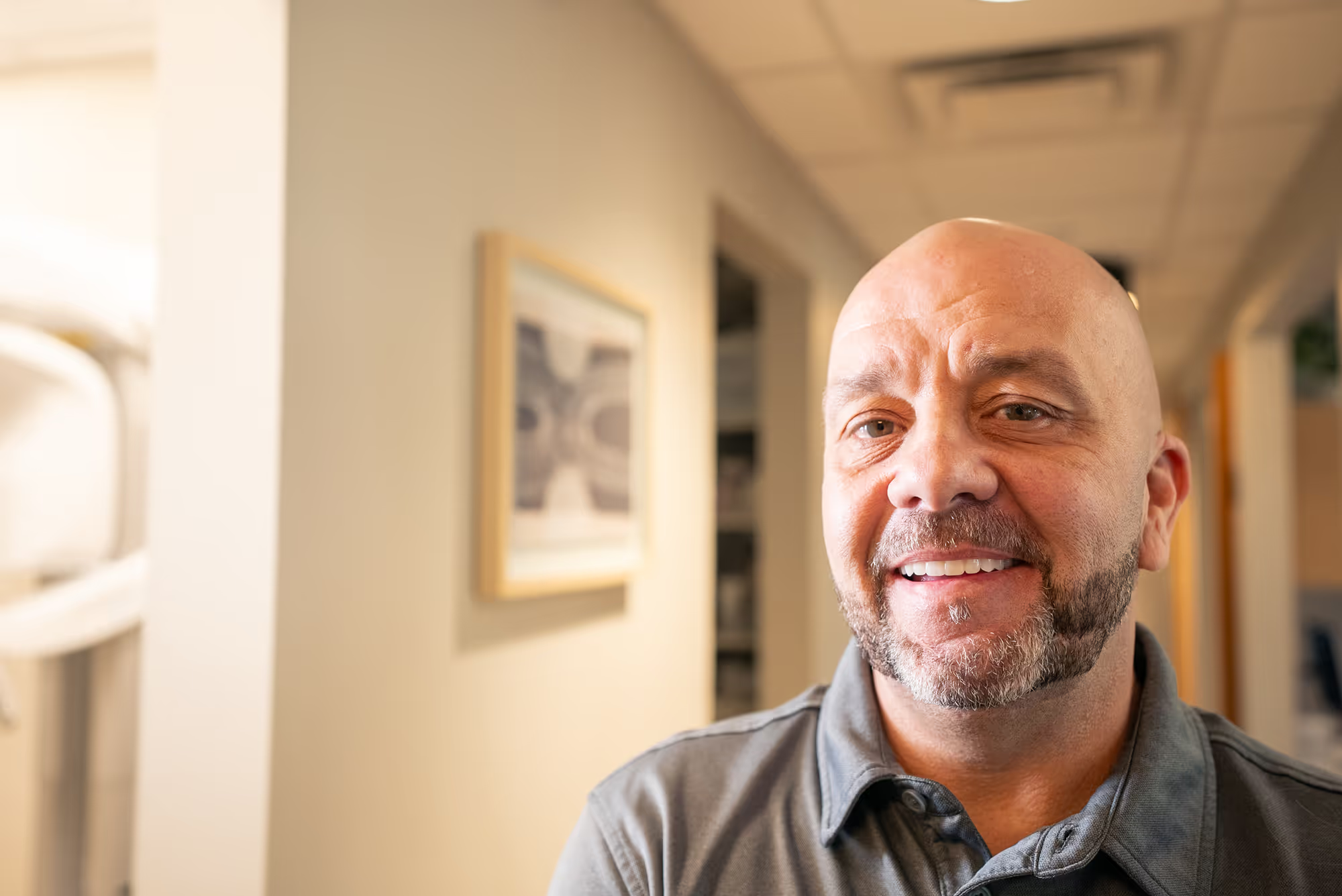
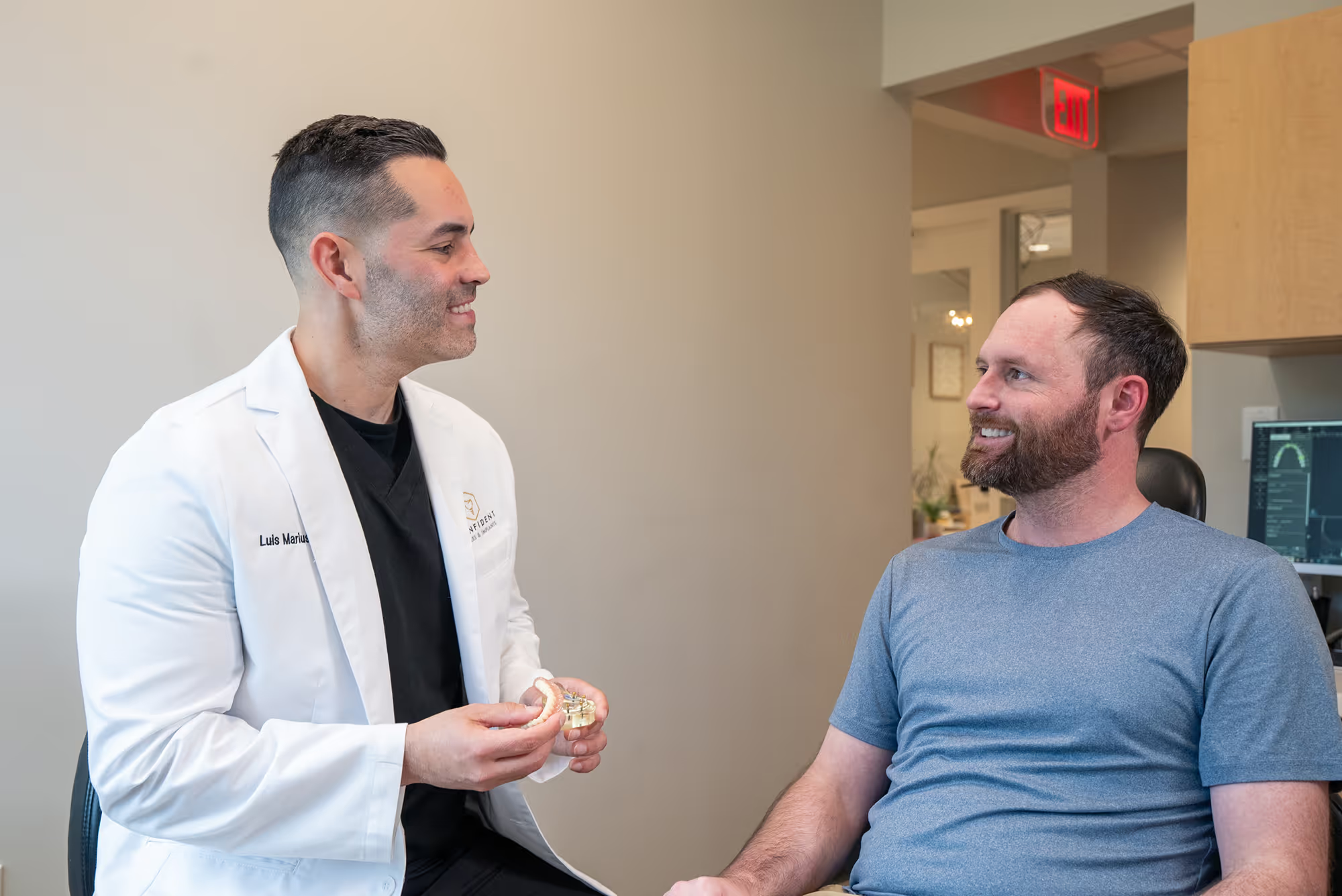
"It was nice to be able to see a full set of teeth and grin—without worrying about gaps."
Shane
Rebuild your smile with cutting-edge solutions
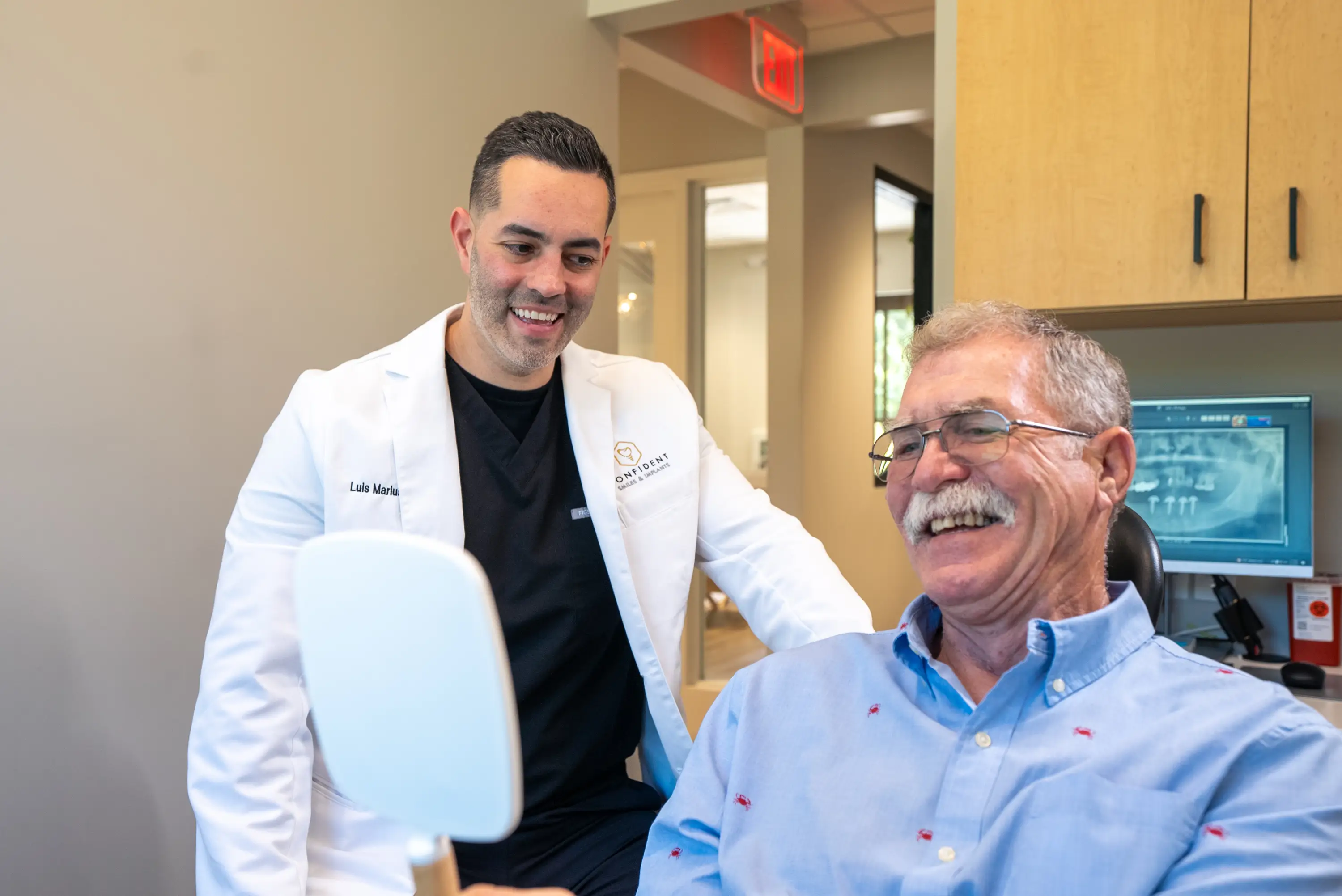
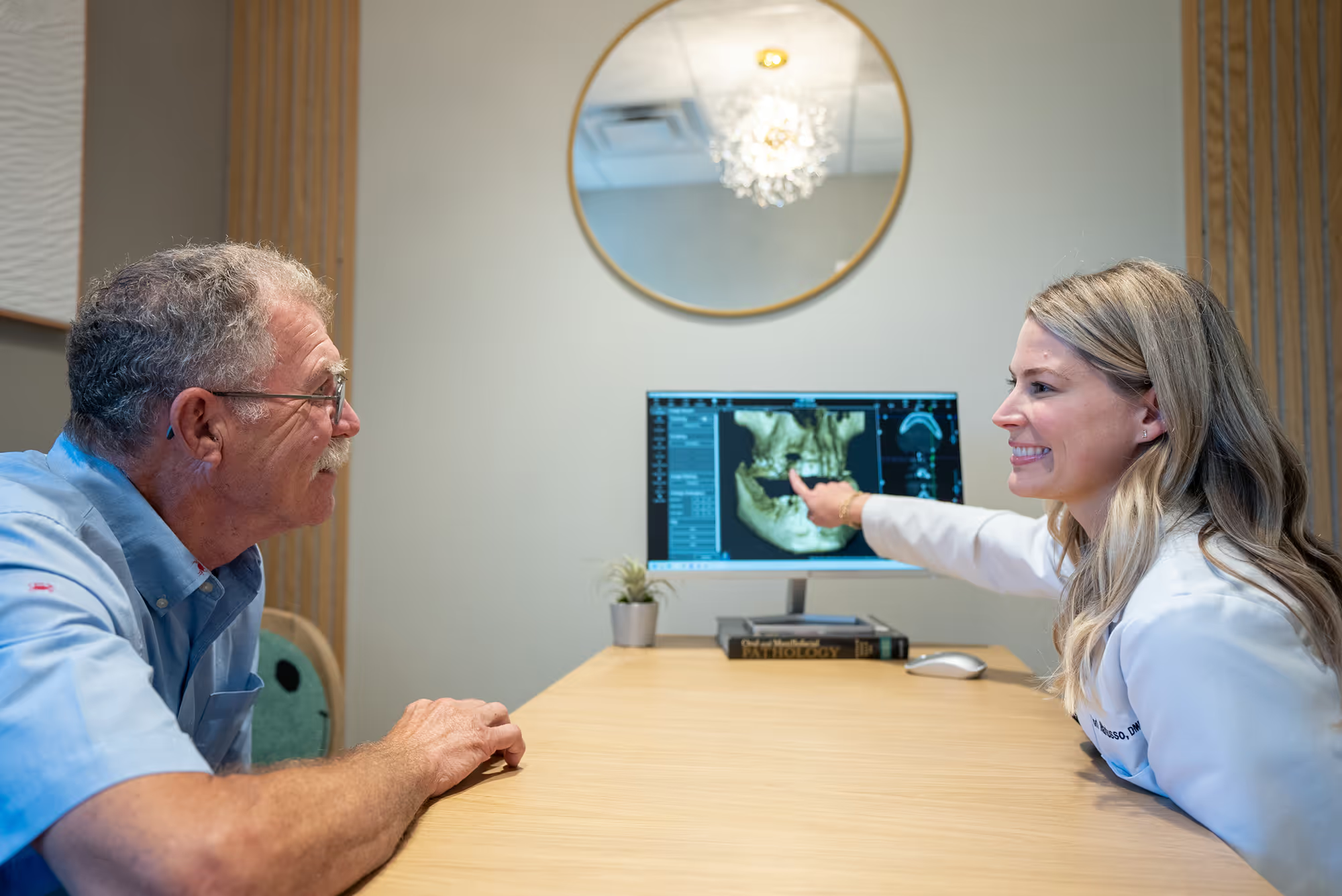
If you’ve been told you don’t have enough bone for dental implants, don’t lose hope—this isn’t the end of the road. Whether it’s been years since you lost your teeth or your jawbone has naturally thinned over time, we offer advanced solutions designed specifically for you.
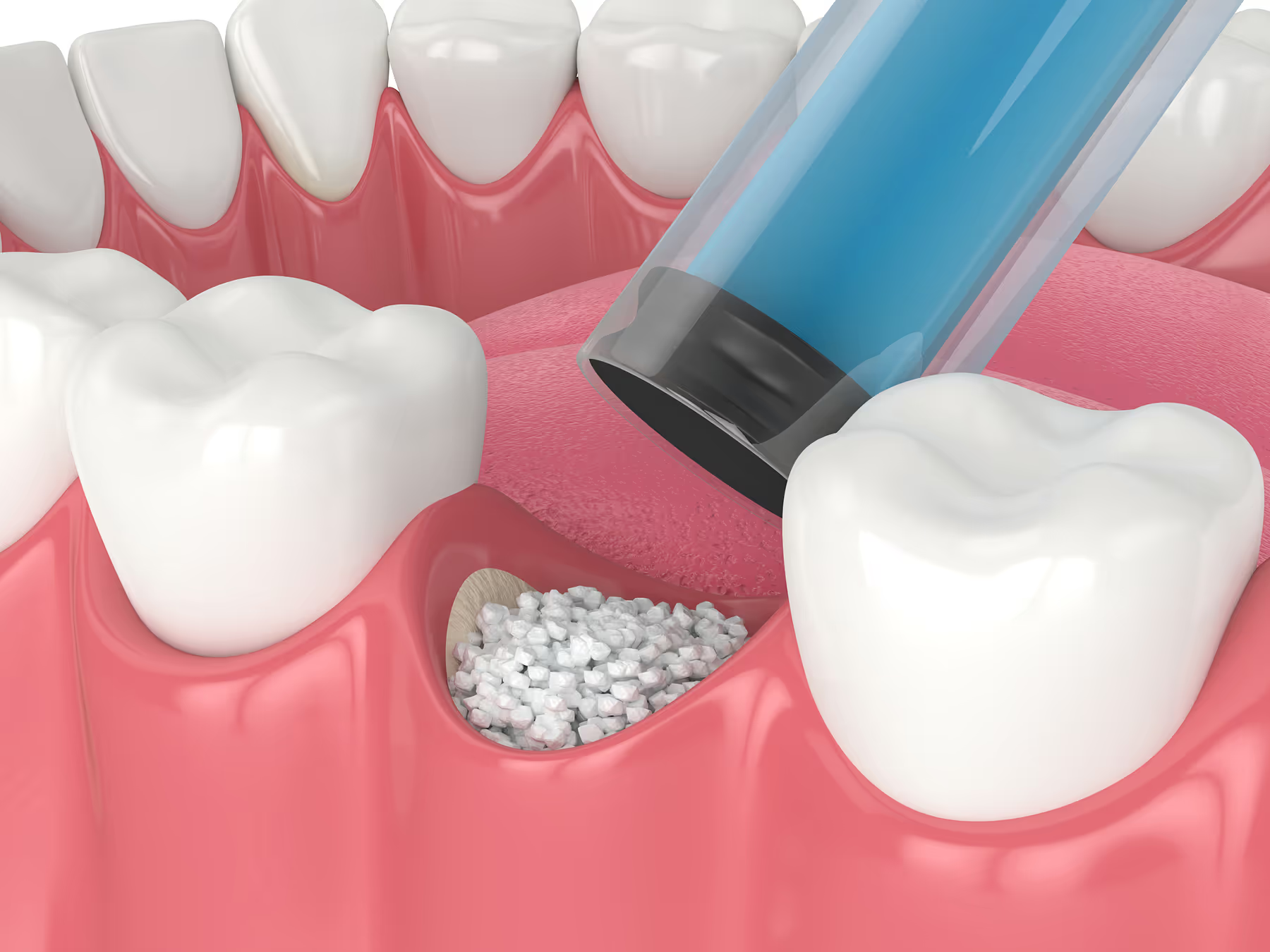
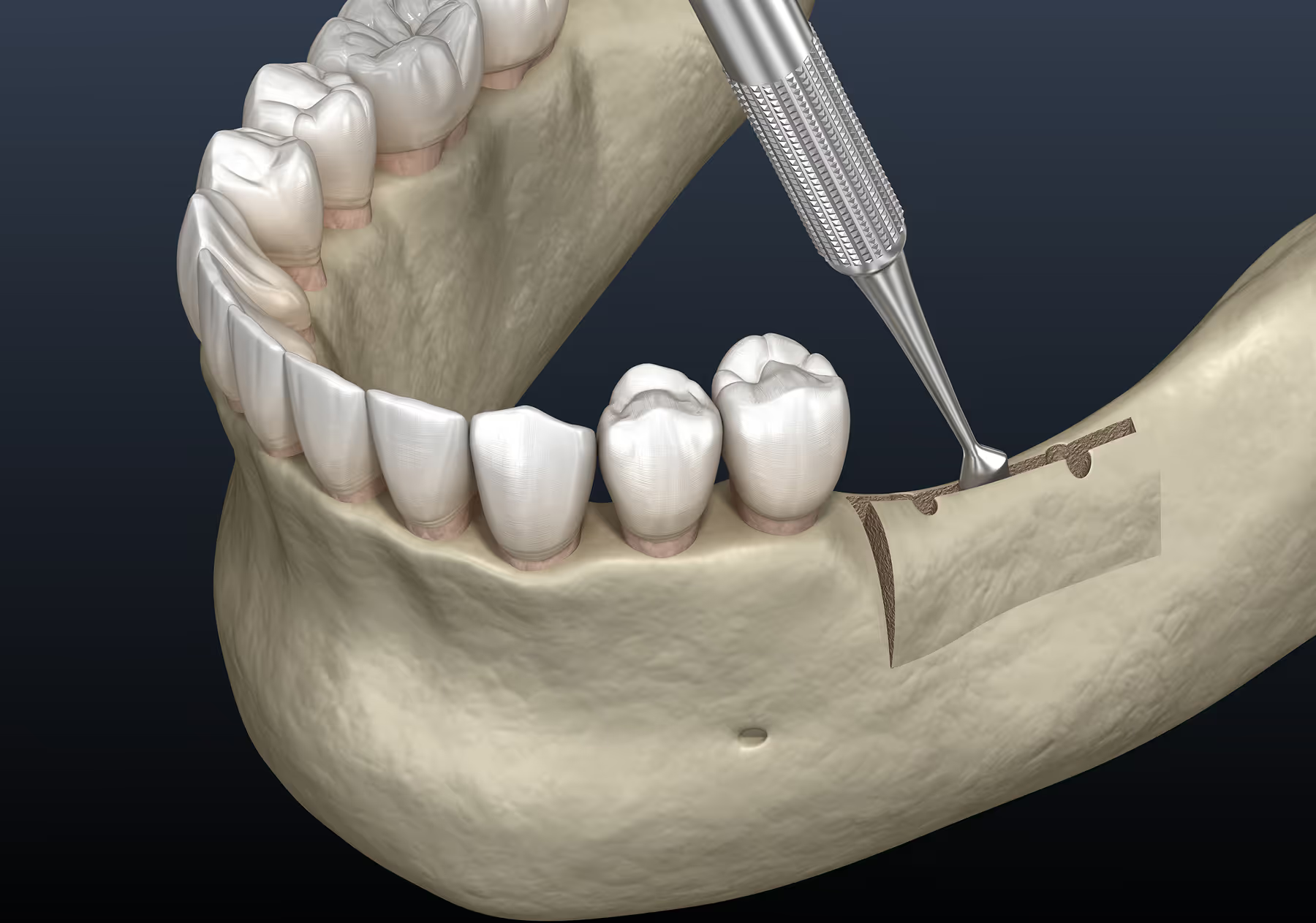
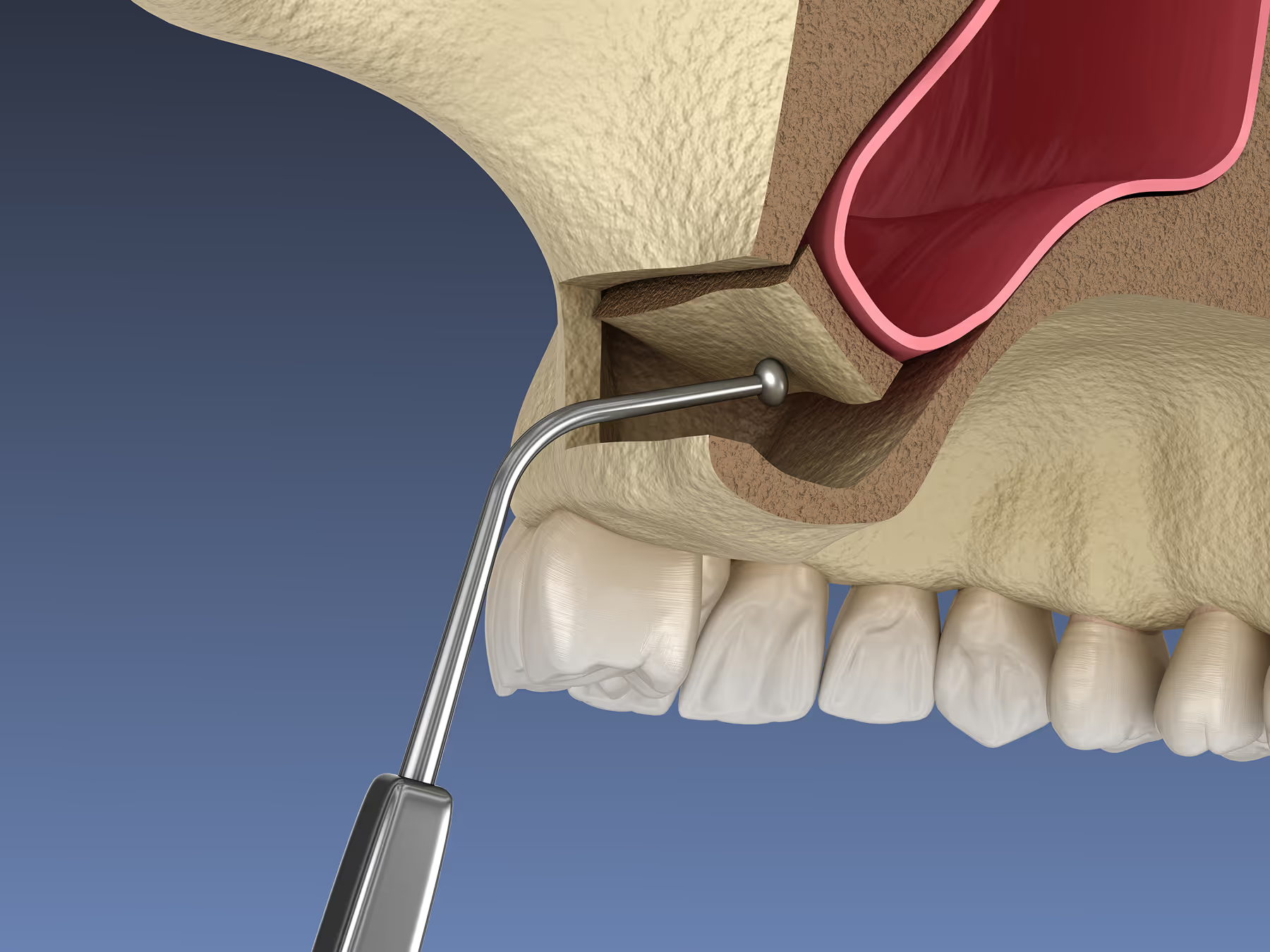
Bone grafting helps reverse this damage by adding healthy bone material to areas that have thinned or deteriorated. It's a powerful step toward long-term oral health and lasting tooth replacement.
.avif)
Smarter implant solutions backed by a 97% success rate
With advanced techniques like zygomatic and pterygoid implants, we can anchor your new smile using alternative areas of bone, such as your cheekbone, rather than the jaw.
These specialized implants are designed for patients with little to no bone and are backed by an impressive 97% success rate, right in line with traditional implants. That means you don’t have to compromise on stability, appearance, or confidence—just because your situation is a little more complex.
Types of Bone Grafting Procedures
Bone grafting helps reverse this damage by adding healthy bone material to areas that have thinned or deteriorated. It's a powerful step toward long-term oral health and lasting tooth replacement.
Find out if you're a candidate for dental implants
Our quick smile survey helps us understand your goals and match you with the right treatment option—no pressure, just honest insight.
Pricing varies based on your specific needs. The best way to get an accurate estimate is to schedule a consultation.
The Bone
Grafting Process
Grafting Process
The Benefits of
Bone Grafting
Bone Grafting


Brings your jaw back to health
Restores bone that has been lost due to dental extractions or the absence of missing teeth. This improves overall jaw structure and adds support for future dental procedures.
Get back to being a candidate
Single-tooth dental implants are completely indistinguishable from natural teeth. They will look natural when you smile and feel just like real teeth when you eat and speak.
Helps dentures fit better and feel more secure
Because the dental implant is implanted into your jaw bone, it prevents “bone resorption,” which happens when the jaw bone below a missing tooth is no longer stimulated by chewing and biting. This helps protect your overall oral health.
Protects your facial structure and smile
You can treat your single-tooth implant just like a natural tooth. To protect your oral health and your implant, all you need to do is brush twice a day and floss once a day, and see Dr. Tori or Dr. Luis for teeth cleanings and oral exams every six months.
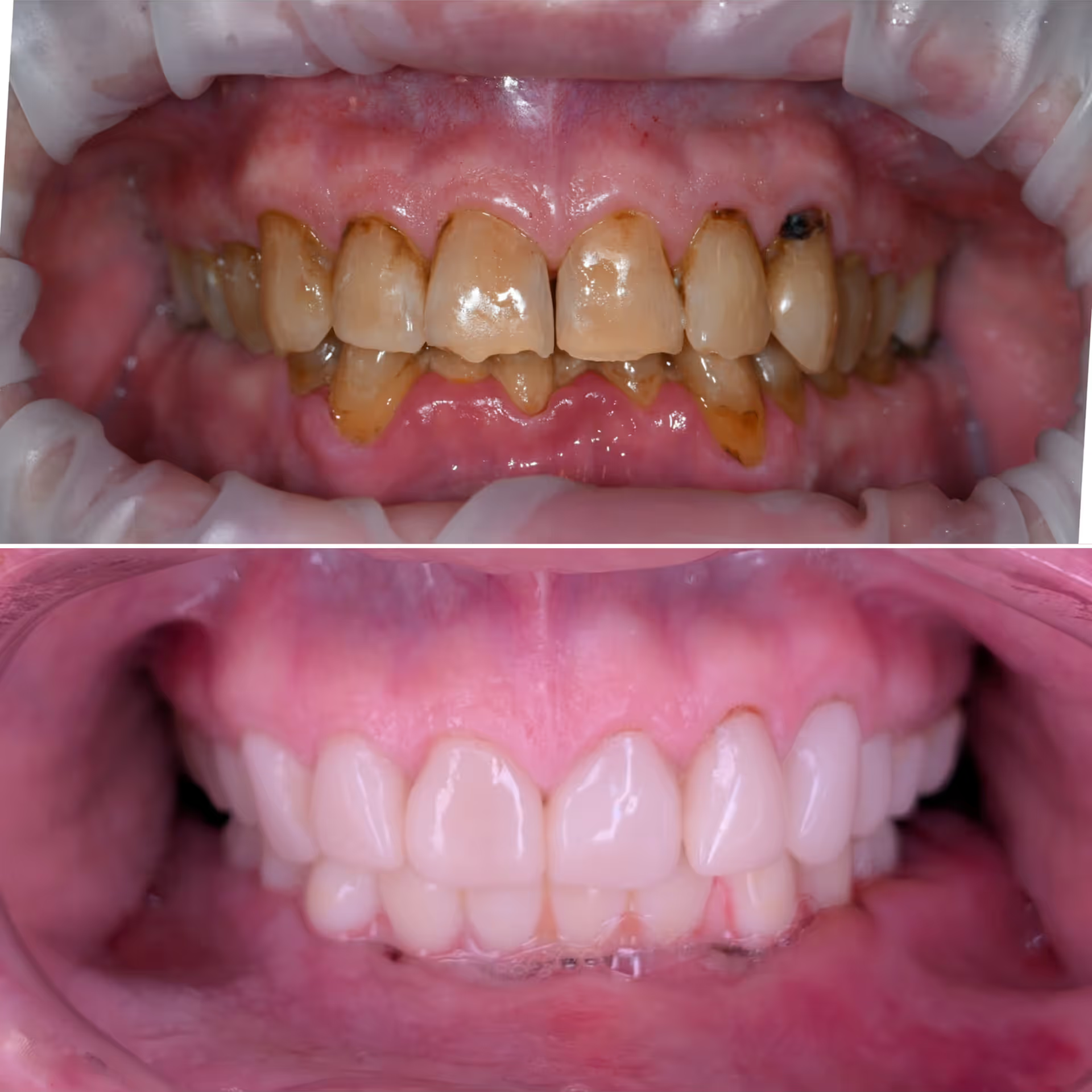
See what's possible when you choose a team that cares
Explore our stunning dental implant transformations.
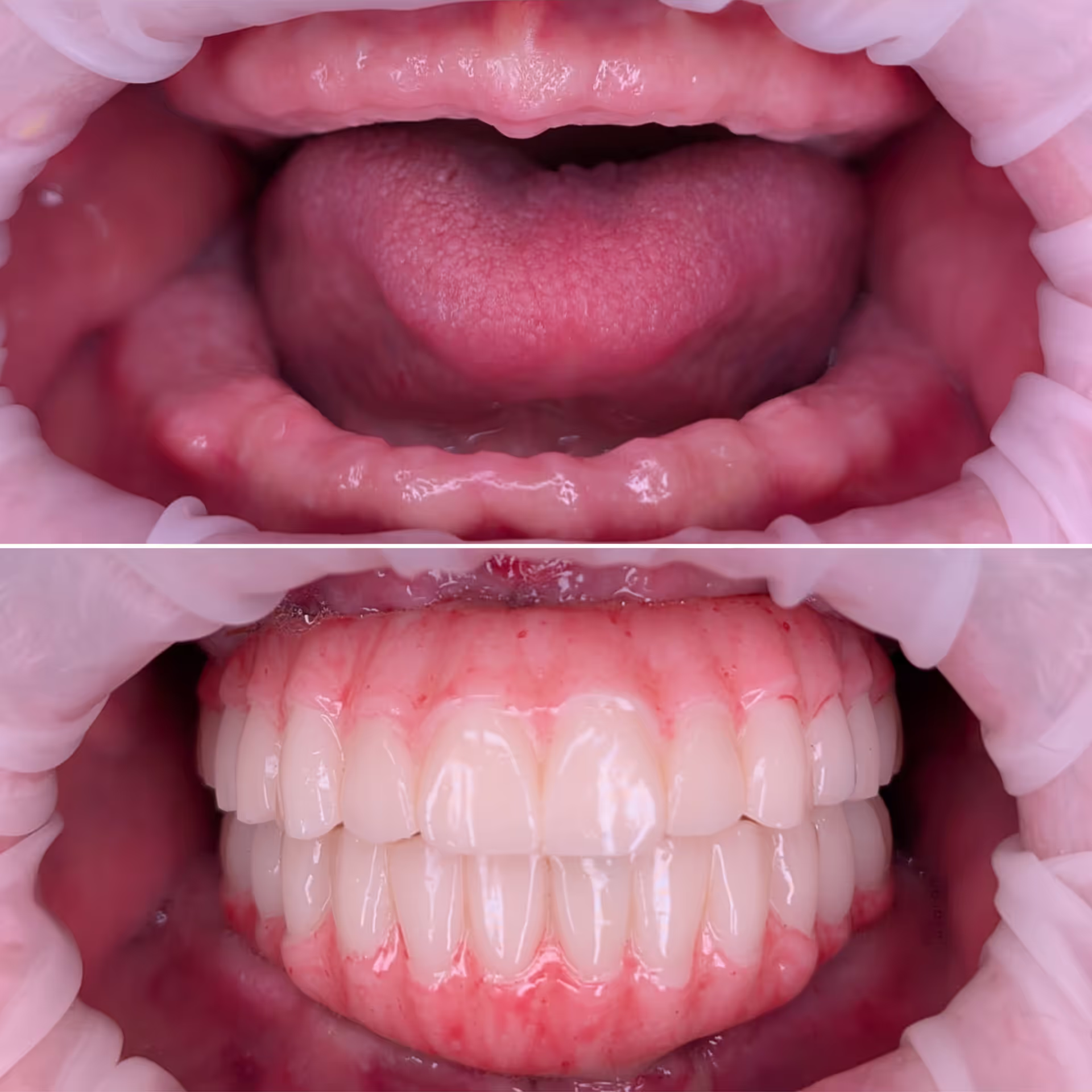
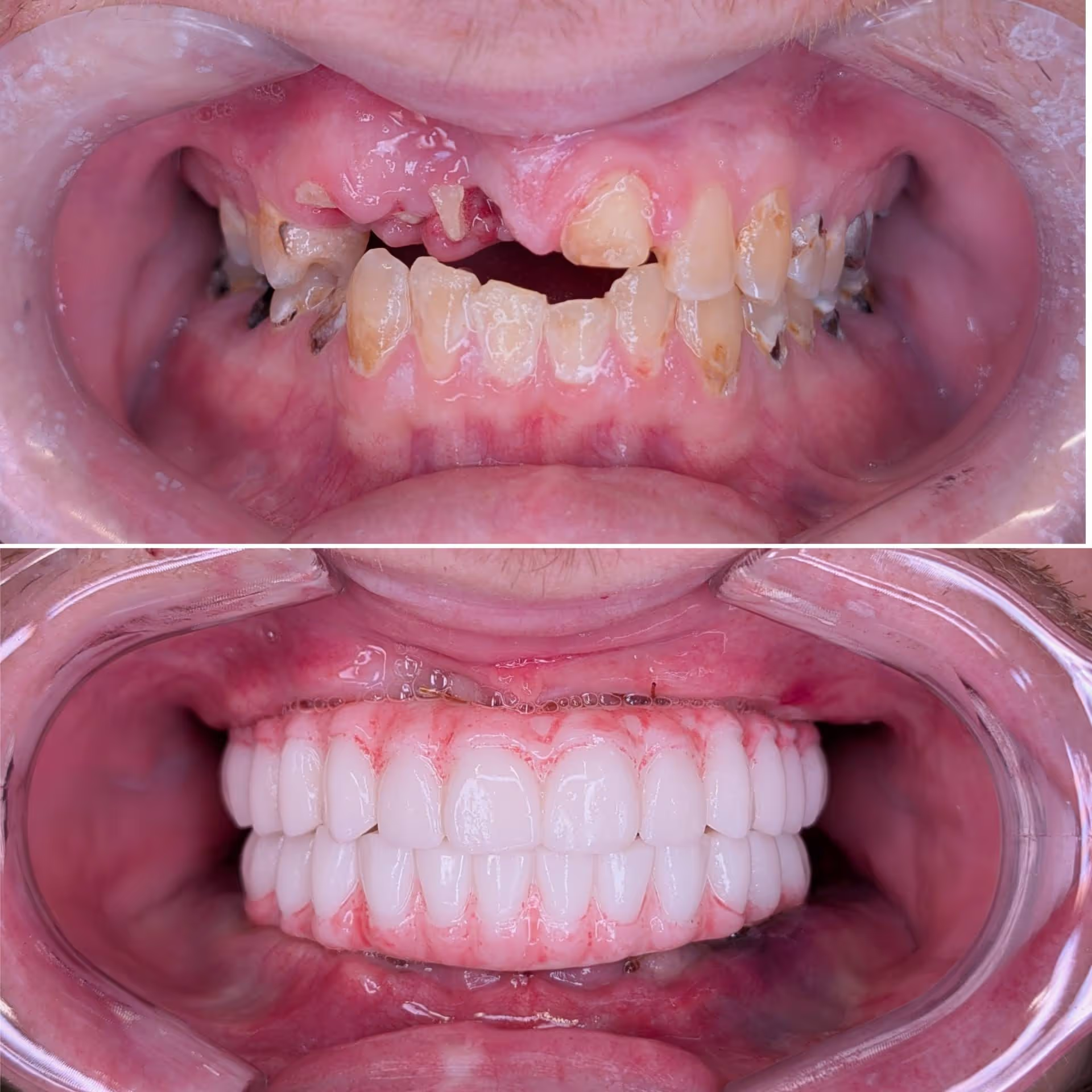
FAQs
Find answers to common questions from our patients.
Still have questions?
We're here to help you!
What is bone grafting?
Bone grafting is a surgical procedure used to rebuild or repair bone in the jaw or other areas of the body. It’s often performed to support dental implants or correct bone loss caused by injury, disease, or developmental issues. Skilled oral surgeons use various grafting techniques to ensure successful outcomes, enhancing the structure and function of the bone.
Is bone grafting painful?
Pain levels can vary depending on the individual and the extent of the grafting procedure. We use sedation and local anesthesia to minimize discomfort during the procedure. Post-operative discomfort is typically mild and can be managed with prescribed medications to ensure a smooth recovery.
Still have questions?
We're here to help you!