
Many people reach a point where they're tired of teeth that shift while they eat, or of the nightly routine of taking a denture out and setting it aside. If that sounds familiar, you're probably weighing fixed teeth vs removable dentures and wondering which one fits your life. At Confident Smiles & Implants, we talk with patients about this choice often, and the best answer depends on your goals, your daily routine, and what feels realistic for you right now. Here's how the two options compare, so you can walk into a conversation with us feeling informed. If you have questions along the way, you can reach our Farragut dental implant team at (865) 248-2312.
How traditional dentures differ from implant-supported options
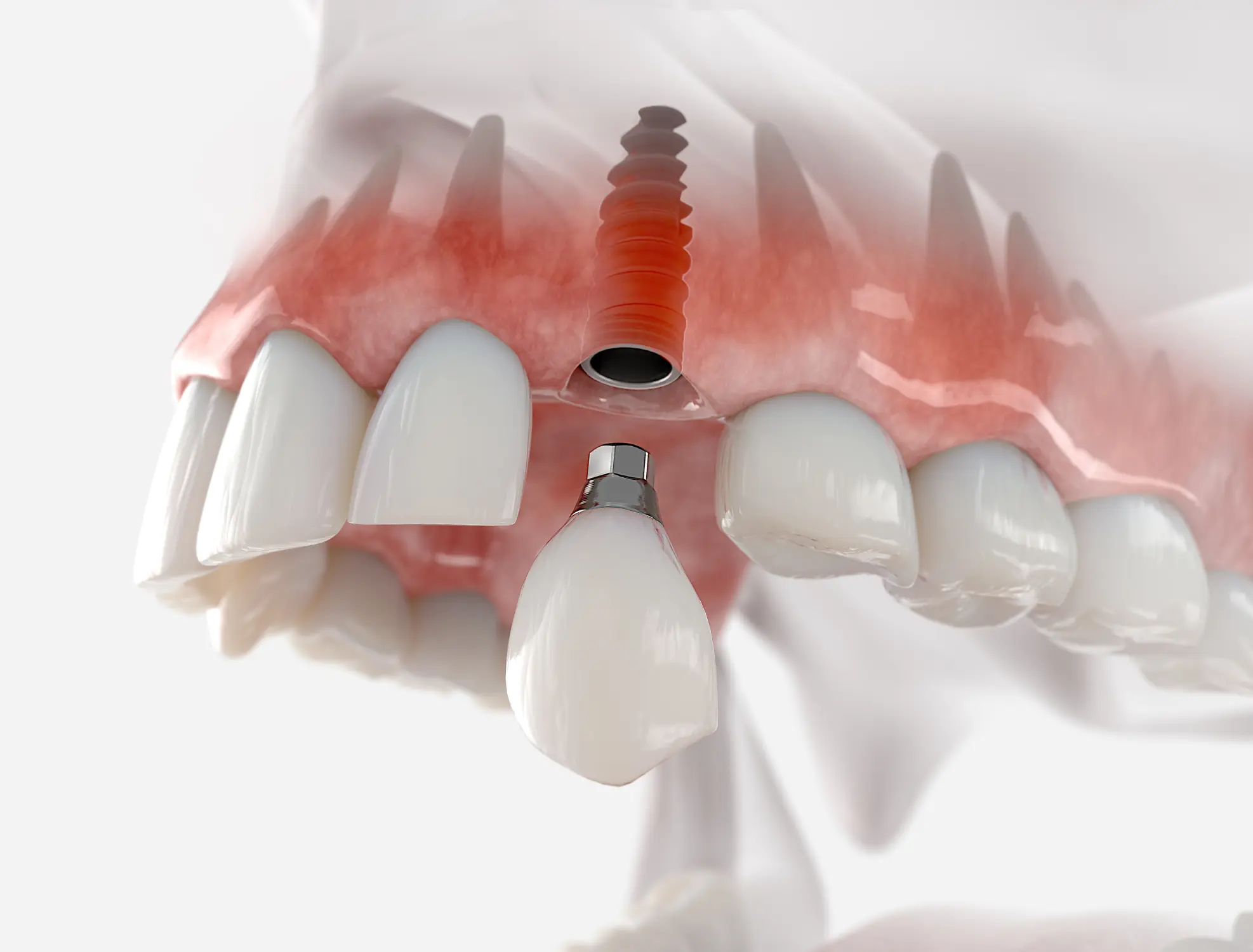
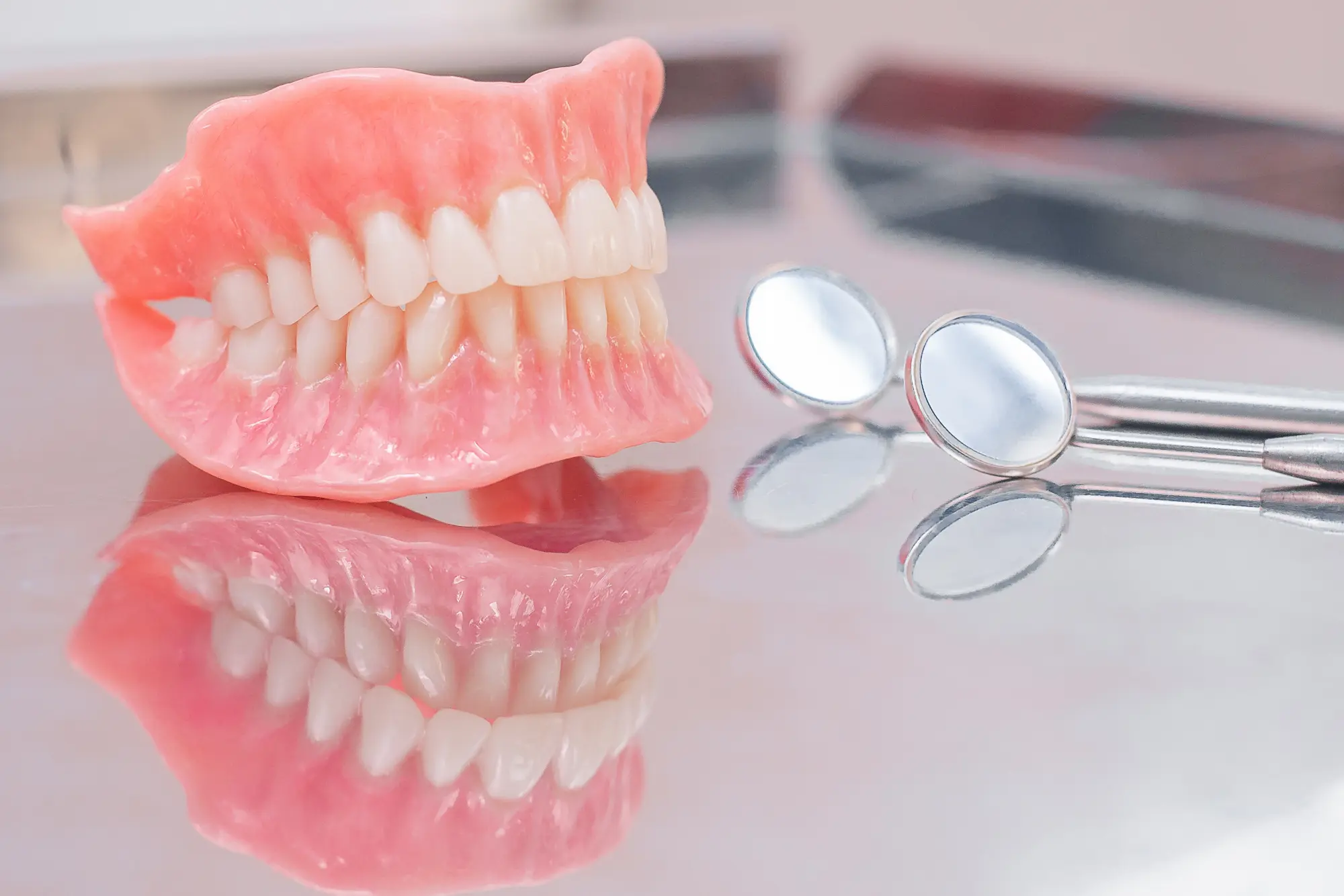
When most people picture dentures, they picture the traditional kind seen in movies or worn by a family member: a pink acrylic base with teeth set into it, often held in place with adhesive. That's very different from what implants make possible today. When implants support your replacement teeth, whether they're removable or fixed, the teeth have a much more secure foundation than gums alone can provide.
That added security matters in everyday moments. Many patients find it easier to chew a wider range of foods when their teeth aren't moving around. It can also make social situations easier, because you're not worried about your teeth slipping when you laugh or smile big.
What's the real difference between fixed and removable implant solutions day-to-day?
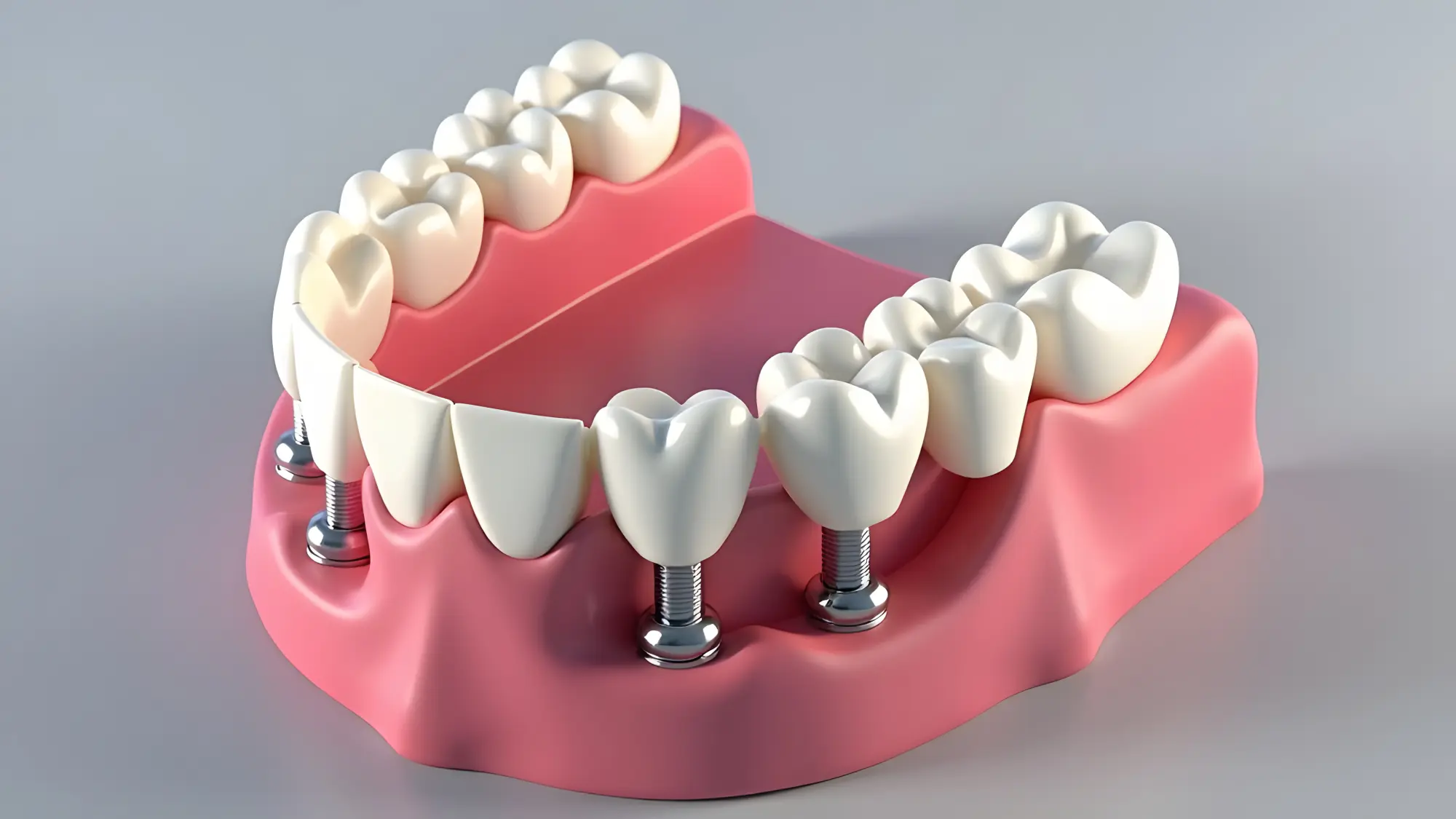
The biggest daily difference is simple: would you want to take your teeth out every night? Fixed teeth are attached to your implants and stay in place. Only your dentist can remove them. You brush them and use them like natural teeth, and many patients love being able to go to bed without taking anything out.
Removable snap-in dentures are also supported by implants, and they're a real step up from traditional dentures. But they're designed to come in and out, so cleaning and nightly removal remain part of your routine.
The materials differ too. Snap-in dentures use acrylic, while fixed full-arch teeth are made from zirconia fixed bridges, which are more wear resistant and stain resistant. Zirconia is a firmer material that feels a lot like ceramic, which is part of why it gives the sensation of natural teeth.
Why do some patients choose removable snap-in dentures over fixed full-arch?
Most people would love teeth that stay put, but fixed isn't always the right fit for everyone. Some patients have worn traditional dentures for decades and haven't enjoyed a good quality of life with them. When they're finally ready to invest in something better, snap-in dentures can be a big improvement over a denture that sits loose on the gums.
With the support of implants, many patients feel more stable when they chew and less worried that their teeth are moving all over the place. For others, the decision comes down to budget. Snap-in dentures have a lower entry cost, which makes them a practical way to get implant support now.
How implants help protect your jaw and facial structure
This is a part of the conversation people often don't expect. Natural teeth stimulate the bone in your jaw, which helps maintain its shape. When teeth are lost, that stimulation goes away, and the bone can gradually shrink over time. Traditional dentures can actually speed this up, which is why a person's lower face can look sunken when their dentures are out.
Implants can stimulate the bone, whether they support a removable denture or a fixed arch of zirconia. Over the years, that can help maintain your facial structure, which supports both how you look and how well your teeth function. Results vary from person to person, so we'll talk through what to expect for your situation.
Can a patient switch from removable to fixed later on?
Often, yes. It depends on your situation, but a patient who can have four implants in the lower or upper jaw can typically begin with snap-in dentures and upgrade down the road. We plan those cases with that option in mind.
The implants themselves stay the same. Only the connecting components and the teeth are different, moving from acrylic dentures that snap into place to fixed zirconia teeth that are screwed into the implants. That makes starting with snap-in dentures a flexible path for patients who want to spread out their investment.
How does cost compare between the two options?
Snap-in dentures have a lower upfront cost than fixed zirconia teeth. At our practice, snap-in solutions start at $10k and fixed solutions start at $18k, though these are starting points, and your exact cost depends on your needs and is confirmed at a consultation. The right choice isn't only about the first number, though. We like to talk about lifetime value.
Acrylic teeth need more maintenance and may last around five to seven years before new dentures are needed. Replacing them over and over can add up, and over a lifetime the total can sometimes pass what fixed zirconia would have cost up front. Fixed zirconia is meant to be a longer-lasting option, and many patients who have the means and want to do something once and be done with it prefer it.
Neither choice is wrong. It comes down to whether you'd rather invest more now or spread the cost out over time. We're happy to go over pricing and payment options with you at a consultation.
Finding the right fit for you
When we meet with patients, one of our favorite questions is what brought them in today. Often there's a moment behind it, like a grandchild asking about their teeth, or years of putting up with pain or infection while life got busy. Understanding that reason helps us recommend a solution that fits your needs.
Many patients also tell us the biggest surprise after treatment is how much more they smile. Teeth they feel proud of can bring out their personality and confidence, and the people around them notice.
If you're considering full arch implants in Farragut, TN, we'd love to talk through your options with no pressure. Call Confident Smiles & Implants at (865) 248-2312 or schedule your visit to find out which path is right for you.